Have you ever stepped outside on a sunny afternoon and felt the immediate warmth of the sun on your skin? It is a wonderful feeling that we often take for granted.
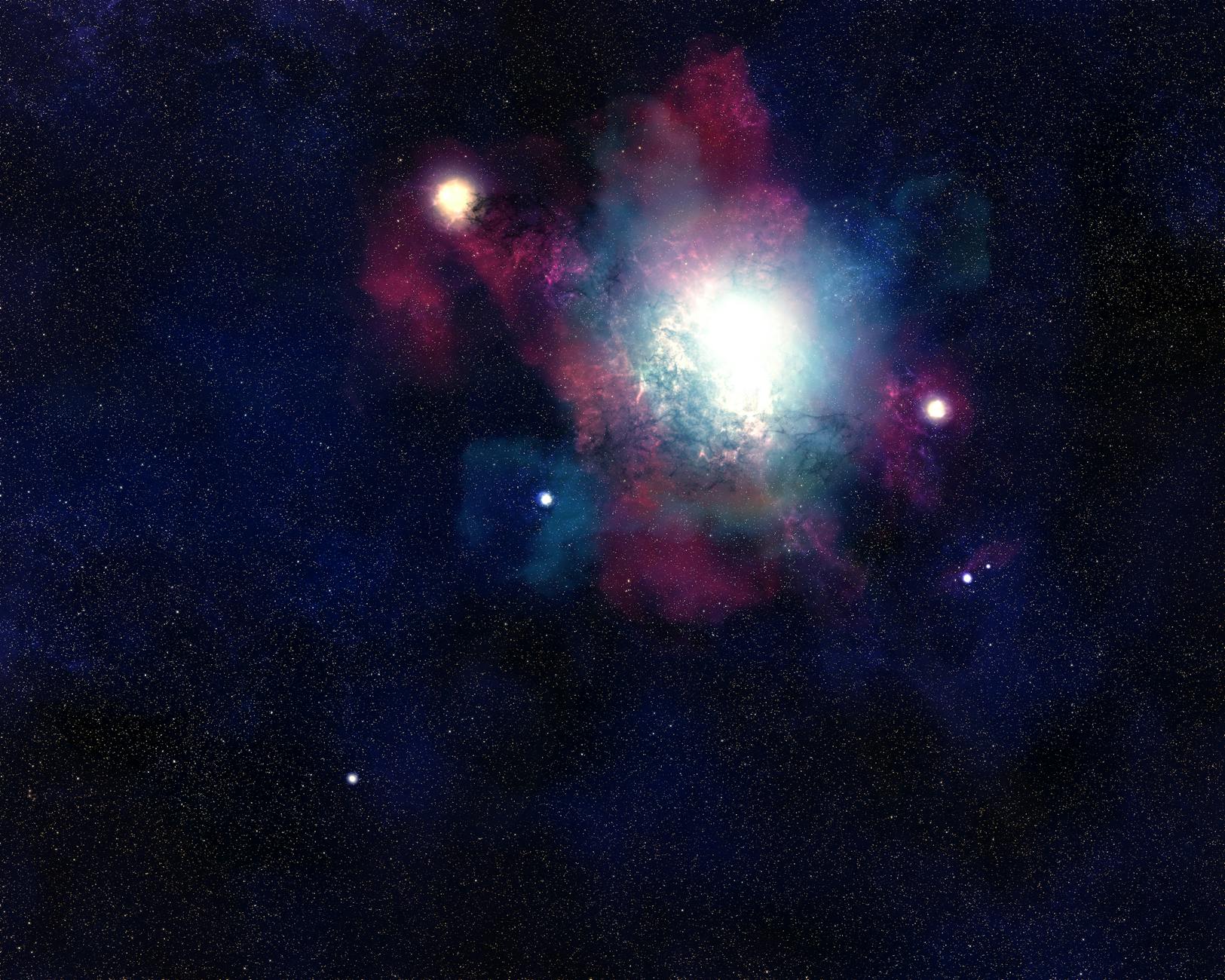
But if you were to travel just a few hundred miles upward into the vacuum of space, that warmth would vanish instantly, replaced by a deep and terrifying chill. This creates a fascinating puzzle. If the sun is a massive ball of fire that can heat our entire planet from millions of miles away, why is the rest of the universe so incredibly cold and dark?
To understand this mystery, we have to look at what heat actually is. On Earth, heat is essentially the movement of atoms and molecules. When the sun rays hit our atmosphere, they strike gas molecules, causing them to vibrate and bounce around.
This movement creates the temperature we feel. However, space is a vacuum, which means it is almost entirely empty. Without air or water molecules to catch the suns energy and hold onto it, the heat has nothing to sit inside. It simply passes through the void like a ghost.
This lack of matter also explains why the sky is black instead of blue. On Earth, our atmosphere scatters sunlight, spreading the blue glow across the horizon. In space, there is nothing to scatter the light. If you were standing in the void, you would see a bright sun against a pitch-black background.
The environment in space is defined by extreme contradictions. Here are a few ways that space handles temperature differently than Earth:
- There is no weather in space because there is no air to create wind or rain.
- Objects in direct sunlight become boiling hot while the side in the shadow becomes freezing cold.
- Heat cannot move through the air in space; it can only travel through radiation.
- Because there is no atmosphere to trap heat, the temperature of deep space sits at about four hundred fifty degrees below zero.
This empty nature of the universe is what makes our planet so special. Earth acts like a giant greenhouse, using its thick layer of gases to trap the suns energy and keep us comfortable.
While the rest of the galaxy is a silent, frozen vacuum, we live in a rare pocket of warmth. Thinking about the vast, cold darkness of the cosmos helps us appreciate the thin blue line of our atmosphere even more. It is the only thing standing between us and the beautiful, freezing mystery of the stars.
Leave a Reply