Category: Curiosity

  • Why Venus Is Actually Hotter Than Mercury

    Why Venus Is Actually Hotter Than Mercury

    When we think about the hottest places in space, we usually look toward the Sun. Naturally, the closer a planet is to that giant ball of fire, the hotter it should be.

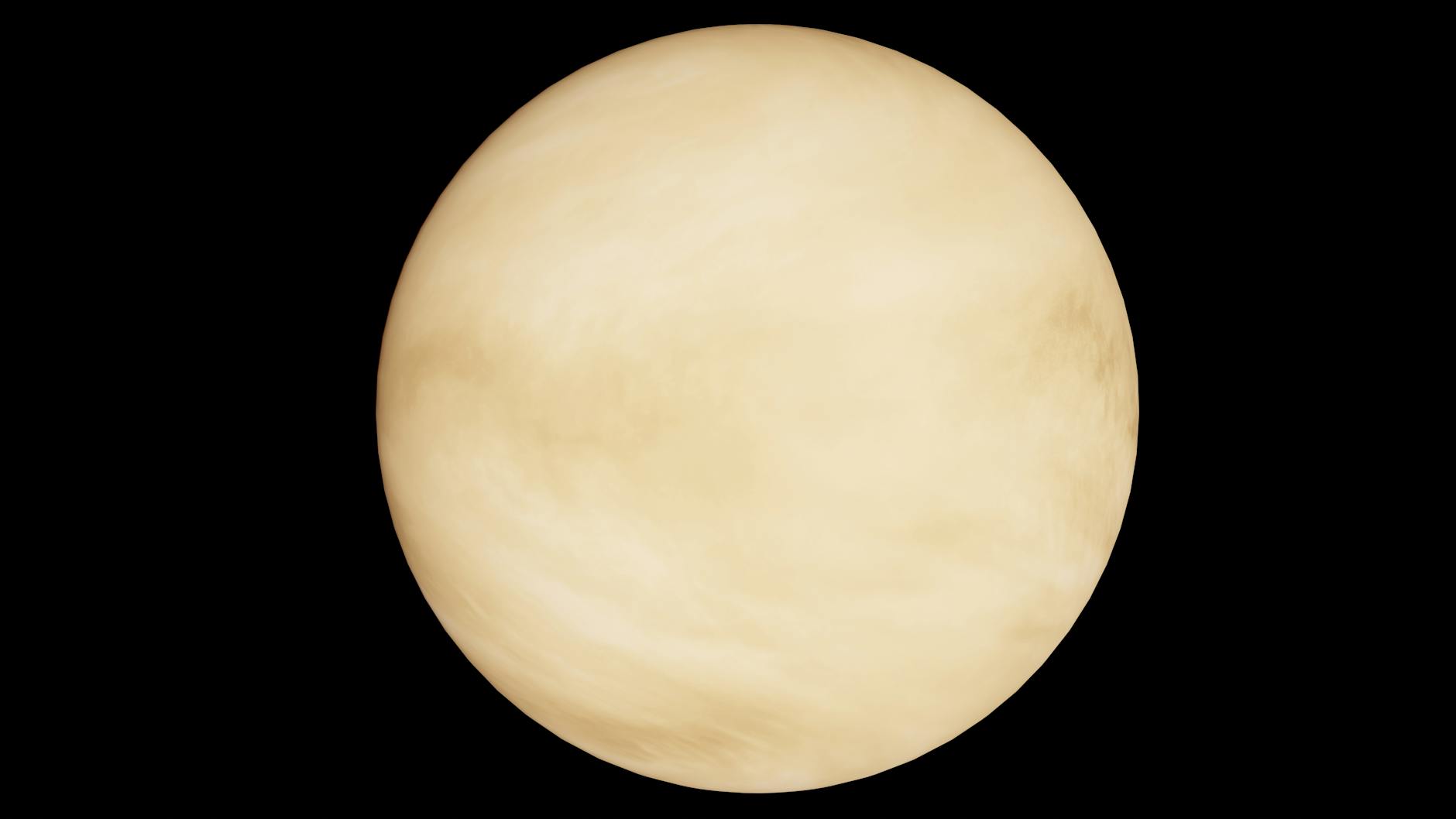
    This is why many people assume Mercury is the hottest planet in our neighborhood. After all, it is the closest to the heat. However, there is a surprising twist in our solar system. Venus, the second planet from the Sun, is actually the one that feels like a total furnace.

    The reason Venus is so incredibly hot comes down to its atmosphere. While Mercury is a rocky world with almost no air to hold onto heat, Venus is wrapped in a thick, heavy blanket of gases.

    This atmosphere is mostly made of carbon dioxide, which acts like a heavy lid on a boiling pot. When sunlight reaches the surface of Venus, it turns into heat energy. On a planet like Earth, some of that heat bounces back into space. But on Venus, the thick air traps it all inside.

    This process is known as the runaway greenhouse effect. It has turned the planet into a place where temperatures reach about 900 degrees Fahrenheit. That is hot enough to melt lead. To understand why this happens so effectively on Venus, consider these key factors:

    • The atmosphere is ninety times denser than the air on Earth, which creates immense pressure.
    • Thick clouds of sulfuric acid help seal in the heat while reflecting some light.
    • There are no oceans or forests to absorb the excess carbon dioxide from the sky.
    • Heat is trapped so well that the dark side of the planet is just as hot as the side facing the Sun.

    Because of these conditions, Venus stays scorching hot all the time. On Mercury, the side facing away from the Sun freezes because there is no air to move the heat around.

    On Venus, the thick atmosphere acts like a giant convection oven, circulating the heat so every inch of the planet remains a fiery landscape.

    While there are some exotic planets orbiting other stars that are even hotter, Venus remains one of the most extreme environments ever discovered. It is fascinating to realize that being the closest to a star is not the only thing that matters.

    Venus teaches us that the way a planet is built and what its air is made of can be even more important than its location. It serves as a powerful reminder of how much an atmosphere can change the destiny of a whole world.
  • Why Is Space So Dark and Cold

    Why Is Space So Dark and Cold

    Have you ever stepped outside on a sunny afternoon and felt the immediate warmth of the sun on your skin? It is a wonderful feeling that we often take for granted.

    But if you were to travel just a few hundred miles upward into the vacuum of space, that warmth would vanish instantly, replaced by a deep and terrifying chill. This creates a fascinating puzzle. If the sun is a massive ball of fire that can heat our entire planet from millions of miles away, why is the rest of the universe so incredibly cold and dark?

    To understand this mystery, we have to look at what heat actually is. On Earth, heat is essentially the movement of atoms and molecules. When the sun rays hit our atmosphere, they strike gas molecules, causing them to vibrate and bounce around.

    This movement creates the temperature we feel. However, space is a vacuum, which means it is almost entirely empty. Without air or water molecules to catch the suns energy and hold onto it, the heat has nothing to sit inside. It simply passes through the void like a ghost.

    This lack of matter also explains why the sky is black instead of blue. On Earth, our atmosphere scatters sunlight, spreading the blue glow across the horizon. In space, there is nothing to scatter the light. If you were standing in the void, you would see a bright sun against a pitch-black background.

    The environment in space is defined by extreme contradictions. Here are a few ways that space handles temperature differently than Earth:

    • There is no weather in space because there is no air to create wind or rain.
    • Objects in direct sunlight become boiling hot while the side in the shadow becomes freezing cold.
    • Heat cannot move through the air in space; it can only travel through radiation.
    • Because there is no atmosphere to trap heat, the temperature of deep space sits at about four hundred fifty degrees below zero.

    This empty nature of the universe is what makes our planet so special. Earth acts like a giant greenhouse, using its thick layer of gases to trap the suns energy and keep us comfortable.

    While the rest of the galaxy is a silent, frozen vacuum, we live in a rare pocket of warmth. Thinking about the vast, cold darkness of the cosmos helps us appreciate the thin blue line of our atmosphere even more. It is the only thing standing between us and the beautiful, freezing mystery of the stars.

  • Why Venus is Earths Evil Twin

    Why Venus is Earths Evil Twin

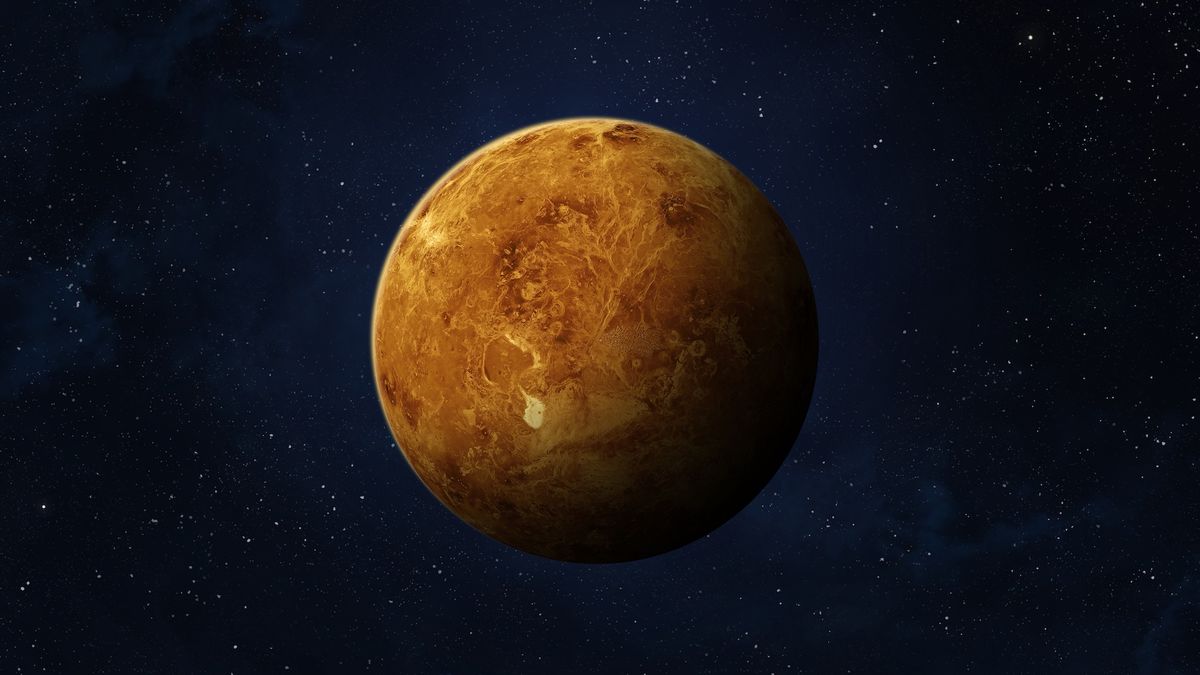
    Venus is often the first thing people notice in the evening sky. It shines like a bright diamond, earning it the nickname the Morning Star or the Evening Star. For a long time, early astronomers thought Venus might be a tropical paradise hidden under thick clouds. However, once modern science allowed us to take a closer look, we found something much more intense. Venus is frequently called Earths evil twin because while the two planets are similar in size and chemical makeup, their environments are worlds apart.

    The most striking thing about Venus is its extreme heat. Even though Mercury is closer to the sun, Venus holds the title for the hottest planet in our solar system. This is because it has a thick, heavy atmosphere made mostly of carbon dioxide. This gas acts like a giant thermal blanket, trapping heat in a runaway greenhouse effect. Temperatures on the surface can reach a scorching 900 degrees Fahrenheit, which is hot enough to melt lead. If you stood on the surface, you would not only be fried but also crushed. The air pressure is 90 times higher than what we feel on Earth, similar to the pressure you would experience half a mile deep in the ocean.

    There are several other strange quirks that make Venus a unique world:

    • It rotates in the opposite direction of most other planets, meaning the sun rises in the west and sets in the east.
    • A single day on Venus lasts longer than a whole year on Venus because the planet spins so slowly on its axis.
    • The surface is covered in thousands of volcanoes, and scientists believe some of them may still be active today.
    • Thick clouds of sulfuric acid swirl around the planet, which is why it reflects so much sunlight and looks so bright to us.

    Despite these harsh conditions, Venus remains a top priority for space exploration. Recent discoveries have suggested that the high-altitude clouds might actually have temperatures cool enough to support microscopic life. This has sparked a new wave of interest in sending missions to study the atmosphere more closely.

    In the end, Venus serves as a powerful reminder of how delicate a planets climate can be. By studying our neighbor, we learn more about the history of our solar system and how to better protect our own home. It may be a hostile world, but its beauty and mystery continue to pull us in.