Category: What If

  • What If the Moon Was as Big as Earth?

    What If the Moon Was as Big as Earth?

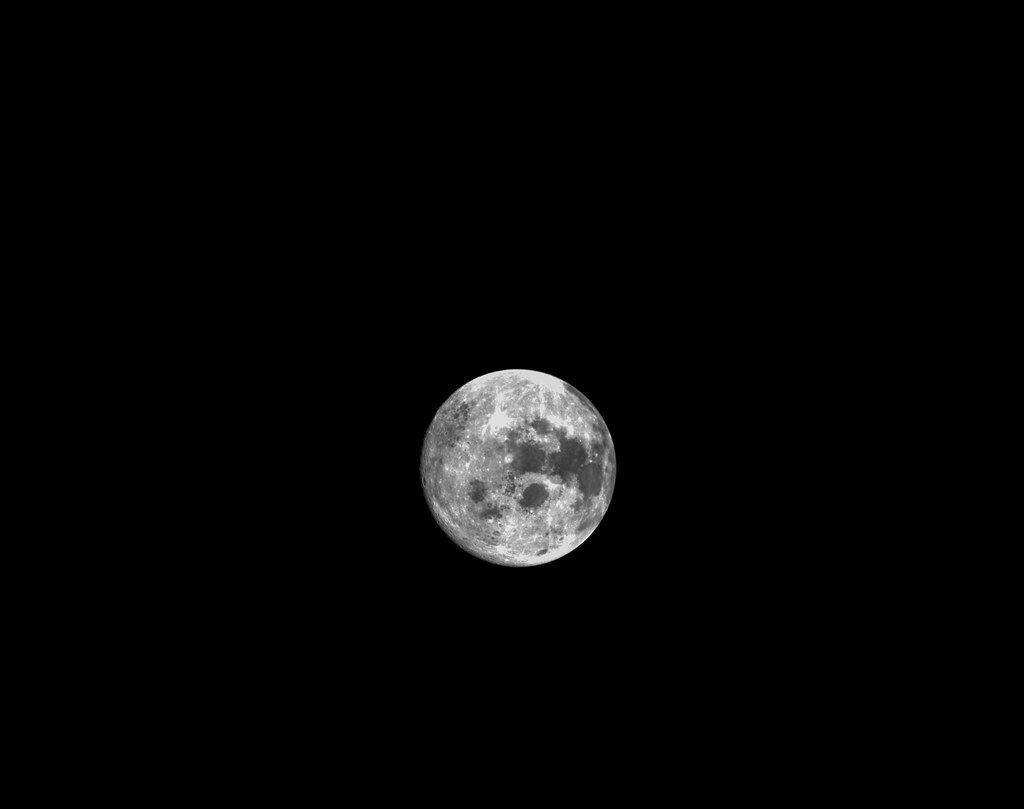
    Imagine looking up at the night sky and seeing a massive, detailed world hanging over you instead of a small glowing circle. If the Moon were the size of Earth, our world would be transformed into something completely unrecognizable.

    We would no longer have a simple satellite; instead, we would live in a twin-planet system. While it sounds like a beautiful scene from a science fiction movie, the physical reality would be quite intense for everyone living on the ground.

    The most immediate and dramatic change would be the sheer power of gravity. Because the Moon would be much heavier, its pull on Earth would be incredibly strong. This would create several major shifts in our daily lives:

    • The tides in our oceans would become monsters. Instead of the gentle rising and falling of water we see today, we would experience massive waves miles high that would wash over entire continents. Most of our coastal cities would be swallowed by the sea almost immediately.
    • The Earth’s crust would be under constant stress. This gravity wouldn’t just pull on the water; it would pull on the solid ground itself. We would likely see a massive increase in powerful earthquakes and volcanic activity as the Earth’s interior is stretched and squeezed by its giant neighbor.
    • Our days and nights would change forever. Currently, the Moon is slowly slowing down Earth’s rotation. With a twin-sized Moon, this would happen much faster. Eventually, the Earth and the Moon would become tidally locked. This means one side of the Earth would always face the Moon, while the other side would face away into deep space, never seeing it at all.

    In this strange new reality, the Moon might even be able to hold onto its own atmosphere. We might look up through telescopes and see clouds, oceans, and maybe even green forests on the Moon’s surface. It would be a second home for humanity, just a short rocket jump away. However, surviving long enough to get there would be difficult with the constant natural disasters happening on our home planet.

    As fascinating as it would be to have a twin world in the sky, we are very lucky the Moon is its current size. It provides just enough gravitational pull to stabilize our planet’s tilt and give us predictable seasons without causing total chaos. The delicate balance we have now is exactly what allows life to thrive.
  • What If The Sun Just Disappeared?

    What If The Sun Just Disappeared?

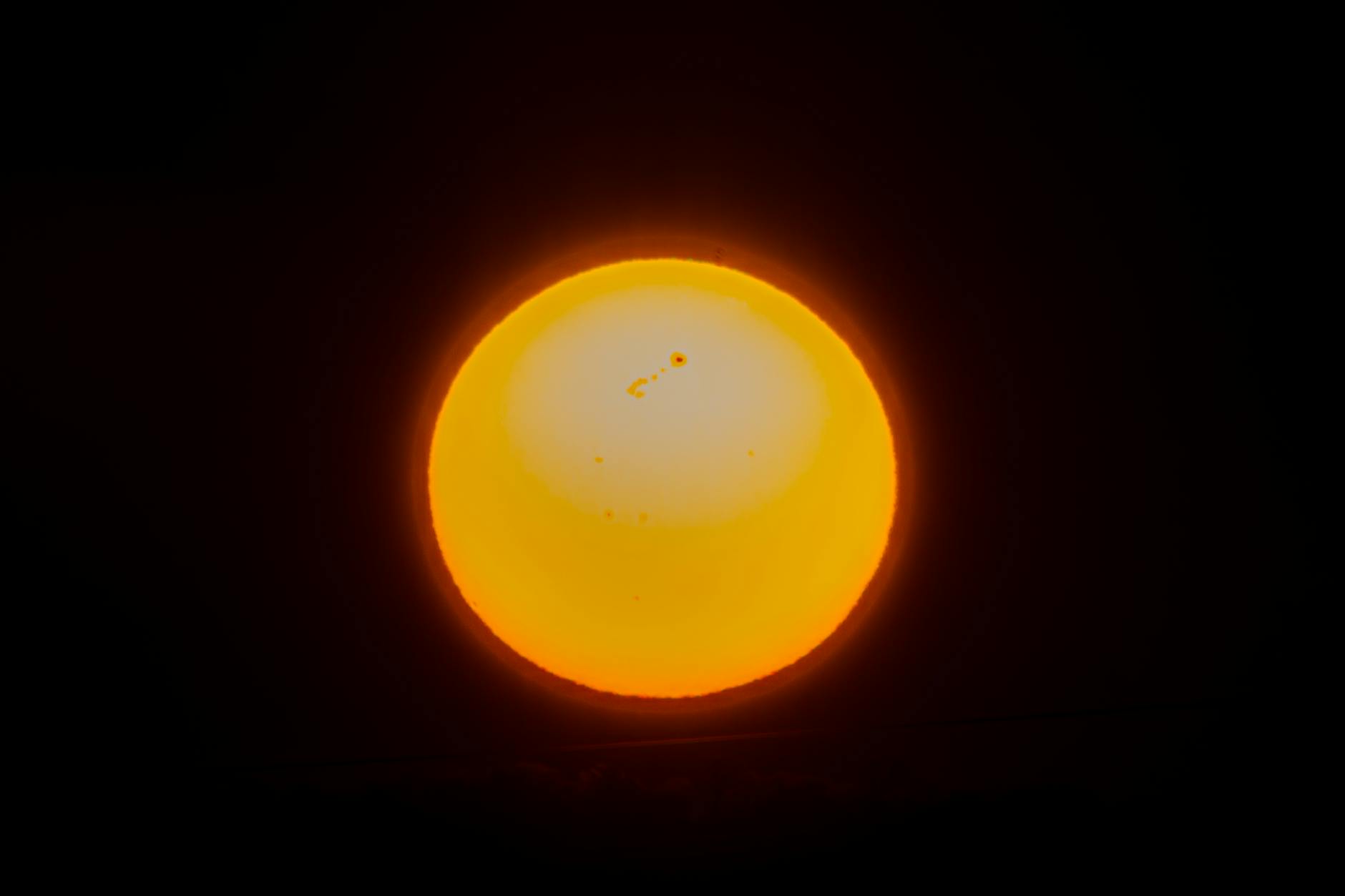
    Imagine looking up at the sky and suddenly everything goes pitch black. No warning, no gradual sunset, just an instant curtain of darkness. If the Sun vanished right now, life on Earth would transform in ways that sound like a disaster movie. However, the first few minutes might actually be more normal than you would expect.

    Because light takes about eight minutes to reach our planet, we would not even know the Sun was gone for a short while. We would continue to see it shining in the sky until the very last rays finally arrived. Interestingly, gravity also travels at the speed of light. This means Earth would stay in its steady circular orbit for those same eight minutes. Once that time is up, the world would plunge into permanent night and our planet would stop orbiting. Instead of moving in a circle, Earth would go flying off into the void of deep space in a straight line at thousands of miles per hour.

    While the immediate darkness would be terrifying, the drop in temperature would be the true threat. Here is a timeline of what would happen to our environment:

    • Within one week, the average global temperature would drop to about zero degrees Fahrenheit.
    • Within a year, the surface temperature would plummet to negative 150 degrees, causing the oceans to freeze over from the top down.
    • Photosynthesis would stop immediately, meaning most plants would wither and die within days or weeks.
    • Eventually, the atmosphere itself would get so cold that it would freeze and collapse to the ground.

    Humans would have to find new ways to stay warm and produce food. We would likely need to move deep underground to stay close to the natural heat of the Earth core. We would also have to rely on nuclear or geothermal energy since solar power would be gone and the atmosphere would eventually be too thin for wind. While the surface would become a frozen, silent wasteland, some forms of life could still thrive deep in the ocean near volcanic vents.

    In the end, the loss of our star would turn Earth into a lonely, frozen traveler drifting through the galaxy. It is a chilling thought, but it highlights how vital that big yellow ball in the sky is for everything we do. We often take the Sun for granted, but it is the literal engine of our existence.